
If you’ve been following along, you know I’m sharing my MFA annotations here, which focus on a particular aspect of a film (and previously books of poetry). If you’ve been following along since 2020, you know I mention this movie in my Timothée Chalamet appreciation post.
Here, I focus on something a little different…
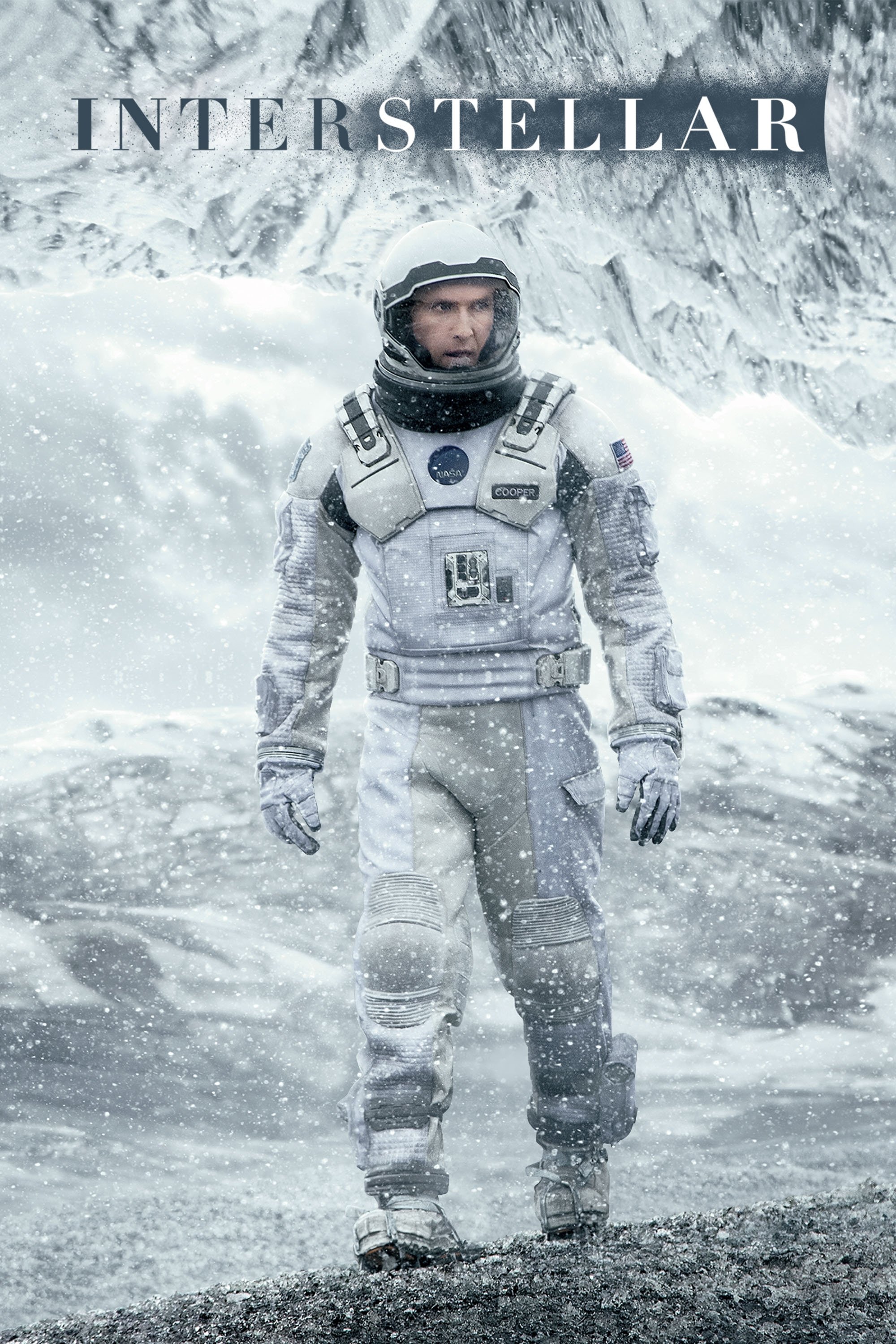
The Unexpected Importance of Comedic Timing in Interstellar
No one who has seen the movie or even the trailer for Christopher Nolan’s Interstellar would call it a comedy, but well-timed humor is not an insignificant factor in the film’s success. While the cinematography and sound design are the obvious aspects to applaud in this space-oriented drama, the comic relief provided by the robot TARS and the subtle jabs between characters are what keep the audience from being crushed by the gravity of their reality.
While the introduction of TARS is at first terrifying—at least to the young Murph, who screams in “his” presence (Nolan 23)—the boxy robot’s function as Cooper’s funny sidekick across space and time is quickly made apparent. After the interrogation, the next time TARS speaks is to Cooper, right after the team has passed through Earth’s atmosphere: “All here, Mr. Cooper. Plenty of slaves for my robot colony” (42). It’s dark, but clearly supposed to be funny, and works to put the characters as well as the audience at ease, while keeping the terror of space travel in the back of our minds. The comedic effect is added to when the robot’s “humor setting” is revealed, and Cooper orders it down from 100 to 75 percent (43).
Shortly after this exchange, Cooper brings us right back to reality, saying, “It’s
hard. Leaving everything. My kids… your father…” (43) to which Dr. Brand says they should learn when not to talk. This prompts Cooper to ask TARS for his “honesty parameter,” which TARS reveals to be ninety percent, surprising Cooper with its imperfection. “Absolute honesty isn’t always the most diplomatic, or safe form of communication with emotional beings,” TARS says (44), and the irony of this coming from a robot is surely not lost on the reader or viewer. Cooper’s subsequent declaration, “Ninety percent it is, then,” and Brand’s irrepressible smile in its wake, again infect us with their humor, distracting from the fact that they are all on an extremely risky mission with a low chance of success.
Later, when the team prepares to land on fellow explorer Miller’s planet, TARS again makes the readers/viewers and characters laugh at a critical moment. Romilly has just told them that every hour on Miller’s planet will be something like 7 years on Earth, and Cooper orders TARS to keep the Endurance close while he, Doyle, and Brand go down in the ranger, so they can get back on their way quickly after seeing Miller (60-61). TARS responds, “Don’t worry, I wouldn’t leave you behind… Dr Brand” (61). This dig at Cooper (and Doyle?) is the kind of human humor that calms the readers/viewers and the characters when they’re about to set out on yet another dangerous journey. The contrast of this mood with the mood of the characters upon their return—with Miller found dead, Doyle having drowned/been killed by a giant tidal wave, and Romilly having been left with TARS for 23 years (76)—serves to heighten our own feelings of despair and sense of loss, as well as the stakes of the whole mission, creating a more powerful cinematic experience for the viewer (and reader).
TARS takes the comedic spotlight at another important point in the film on Dr. Mann’s planet. After Murph has revealed via video transmission that Dr. Brand’s father, Professor Brand, never intended for them to come home or save Earth from extinction, Cooper resolves to return immediately (95-98). After discussion with the team, it’s determined that he can send a probe into the black hole Gargantua on the way, so as not to “waste” the trip—and TARS would be the probe (101). “You’d do this for us?” Cooper says, to which TARS replies, “Before you get teary, try to remember that as a robot I have to do anything you say, anyway” (102). By this point in the film, viewers and readers (should) have developed as much emotional attachment to the cube-like robot as the characters have, but this humor tempers any sadness we might feel by indicating TARS’ consent to go on this extra suicide mission.
One of the best comedic exchanges and the last real funny moment between TARS and Cooper comes again at a tense moment, when Mann has betrayed them and is attempting to dock his stolen ranger on the Endurance. While Cooper desperately tries to contact Mann to keep him from doing something that will jeopardize all of their lives and the mission, it’s revealed that TARS had previously disabled the ranger’s autopilot. Cooper is impressed, and asks, “What’s your trust setting?” to which TARS replies, “Lower than yours, apparently” (118). Here again we see TARS as more human than he is, and one of the few characters who can dis Cooper and make him smile at the same time, all in the midst of a high-stakes scene.
While more humor is expressed through various characters throughout the film, the robot TARS adds an unexpected but important element to it, using comic relief on the heels of or immediately preceding moments of intense action or emotion to manipulate the audience’s reactions and heighten the stakes of the astronauts’ journeys—even the entire film. TARS illustrates what a sidekick can be and do for a script, how the “jester” or best friend can be more than a mouthpiece for the occasional joke, and that dimensionality is something all of us screenwriters should be striving for in our character development, even—or especially—outside of comedic genres.
Work Cited
- Nolan, Jonathan and Christopher. Interstellar. Script Slug, 2014, assets.scriptslug.com/live/pdf/scripts/interstellar-2014.pdf

 Caitlin M.S. Buxbaum